NO.01
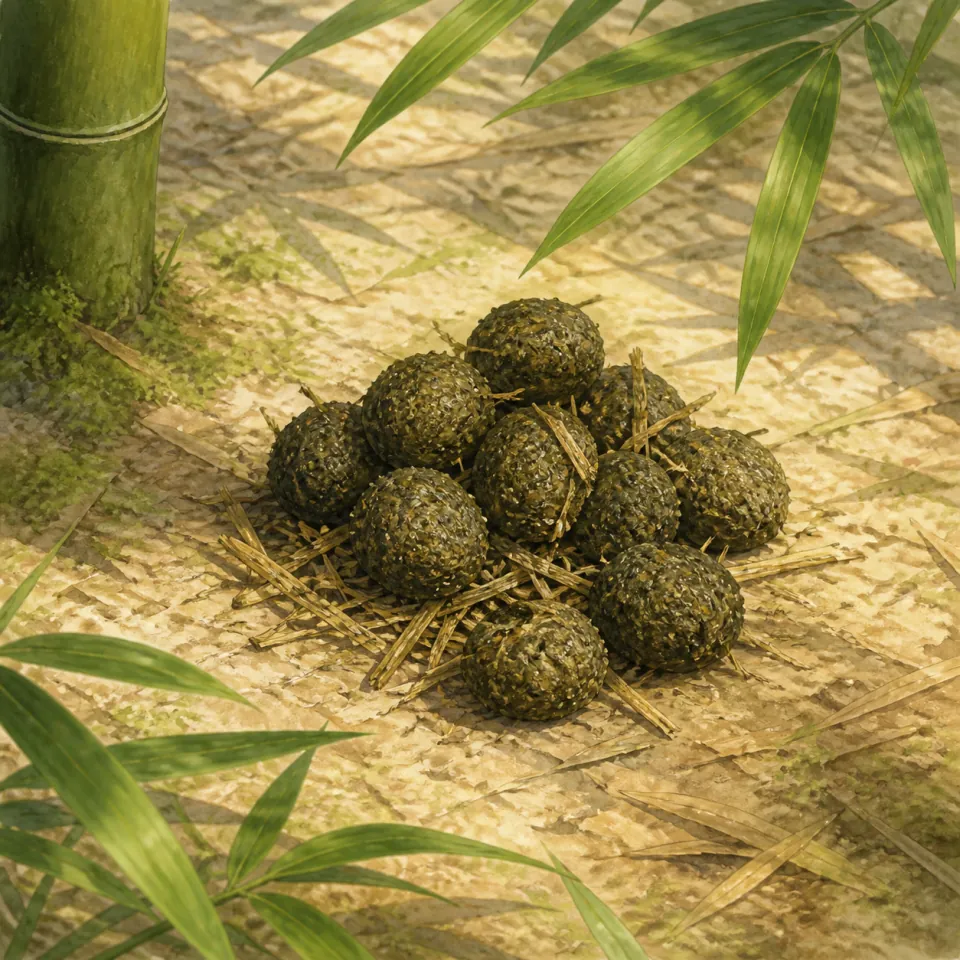
Giant Panda
A giant panda may eat about 70–100 pounds of bamboo in one day.
- Shape
- Short little cylinders
- Food
- Bamboo
An animal passed by, but left no name? Start solving the case with shape, food, and habitat.
A giant panda may eat about 70–100 pounds of bamboo in one day.
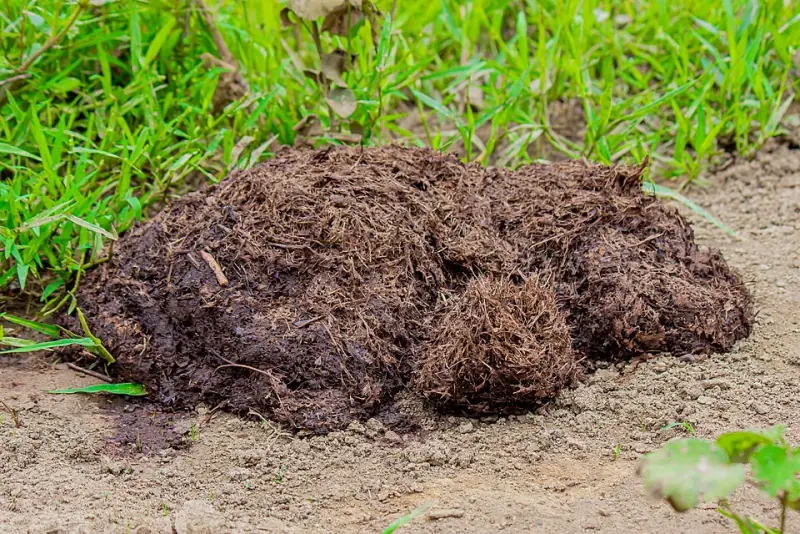
Dung beetles and other insects use elephant dung.
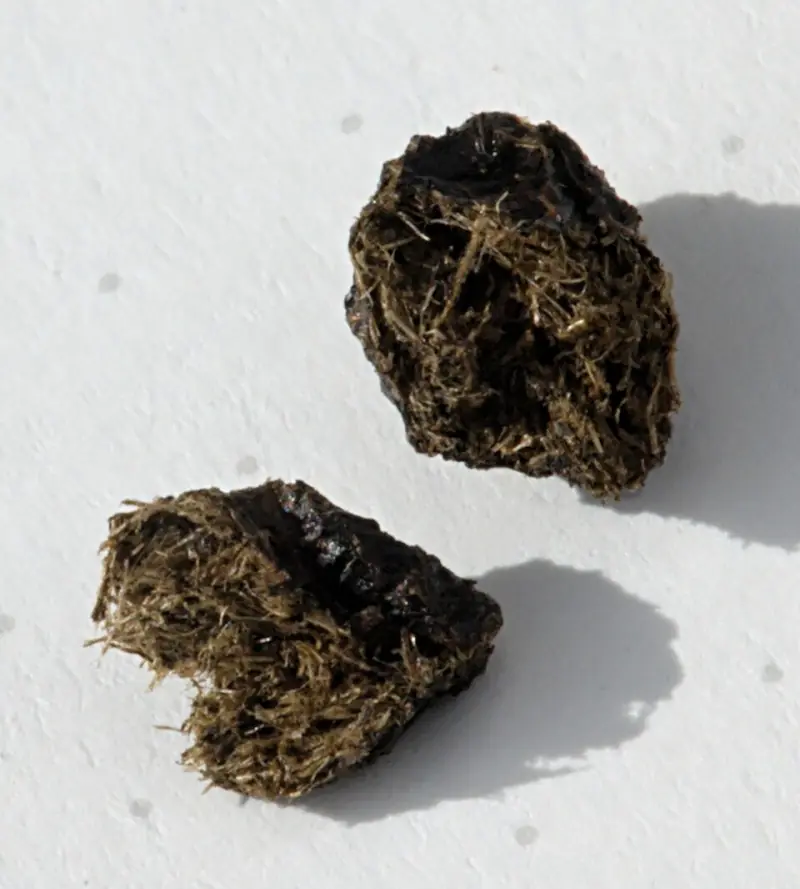
Rabbits make two types of droppings.
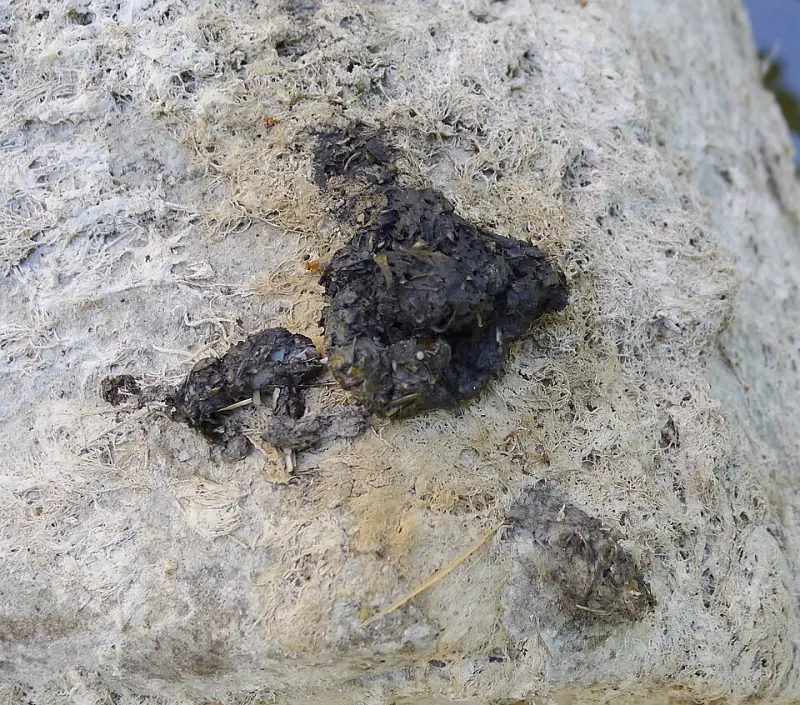
Otter poop has its own name: spraint.
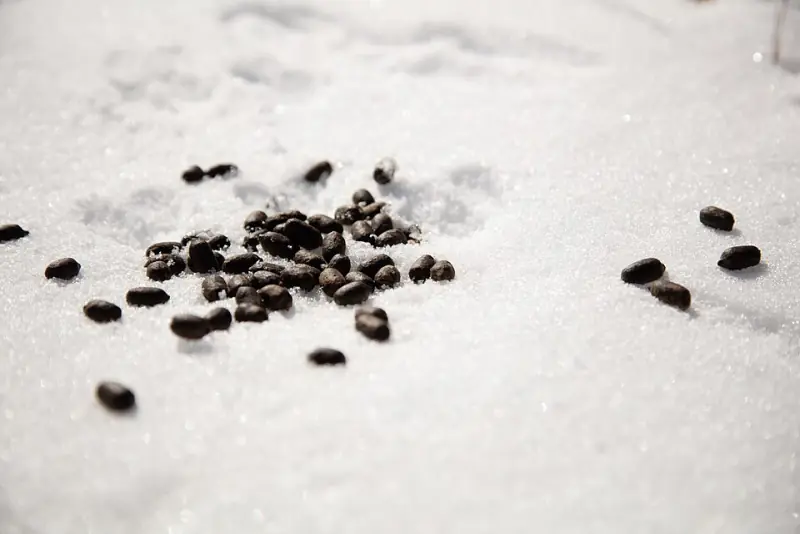
A fresh pellet group can be a sign of recent deer activity.
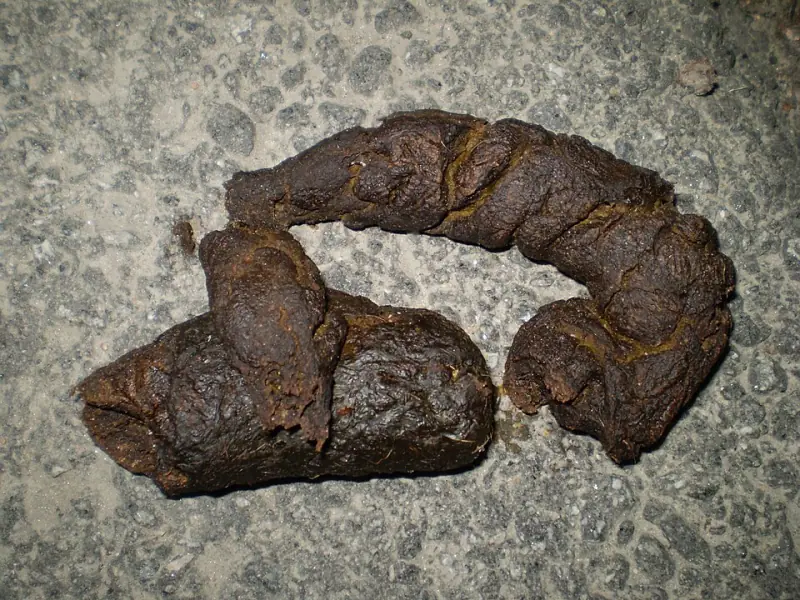
Picking up dog poop helps keep shared paths and grass safer.
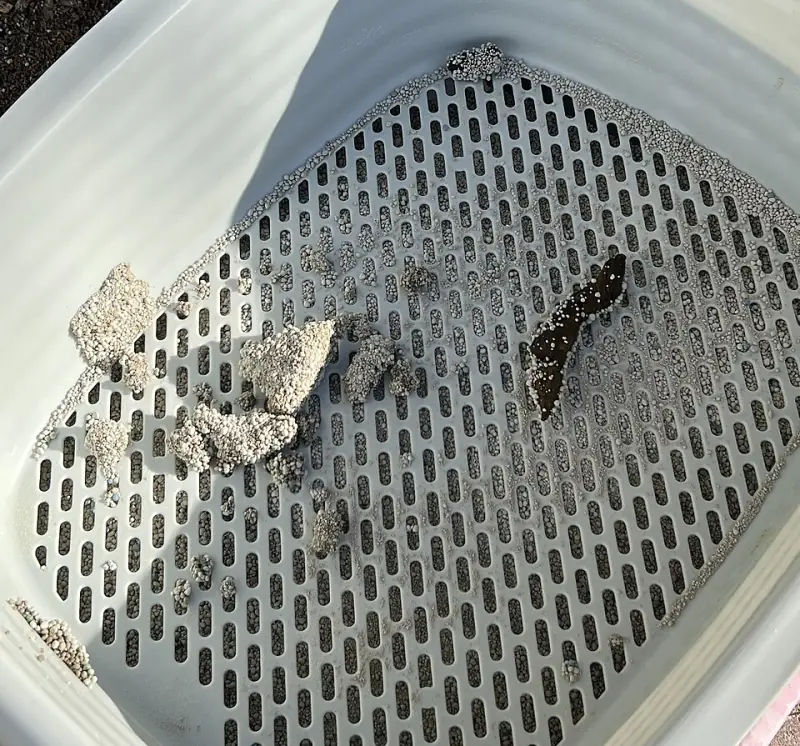
Many cats bury their poop, which helps hide their scent.
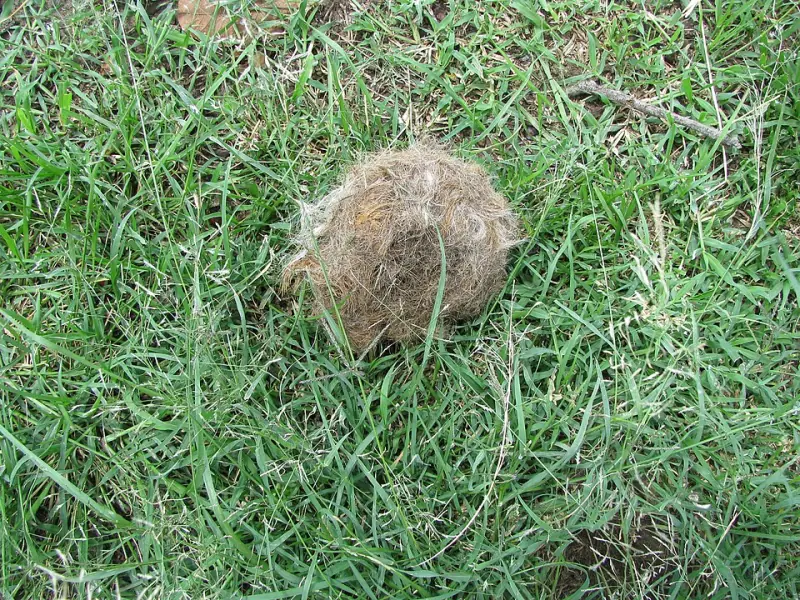
Scientists can study hair and other remains to learn what a lion has eaten.
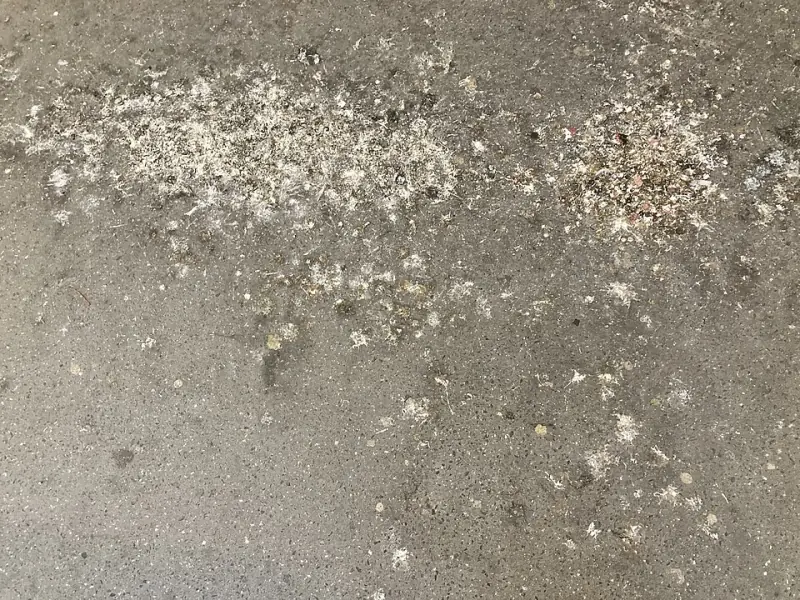
The white part is mostly uric acid, not a separate splash of paint.

Scientists can study nest-area remains from a safe distance to learn about food.
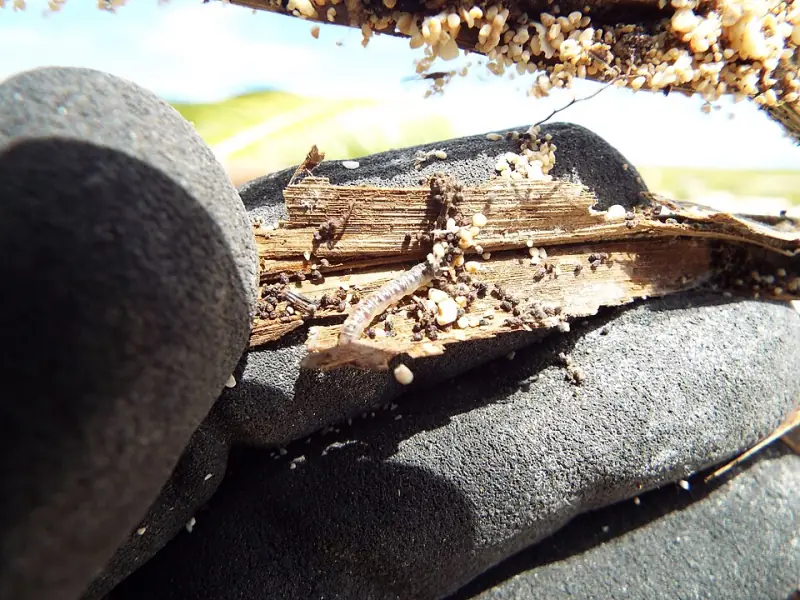
The scientific word for caterpillar poop is frass.
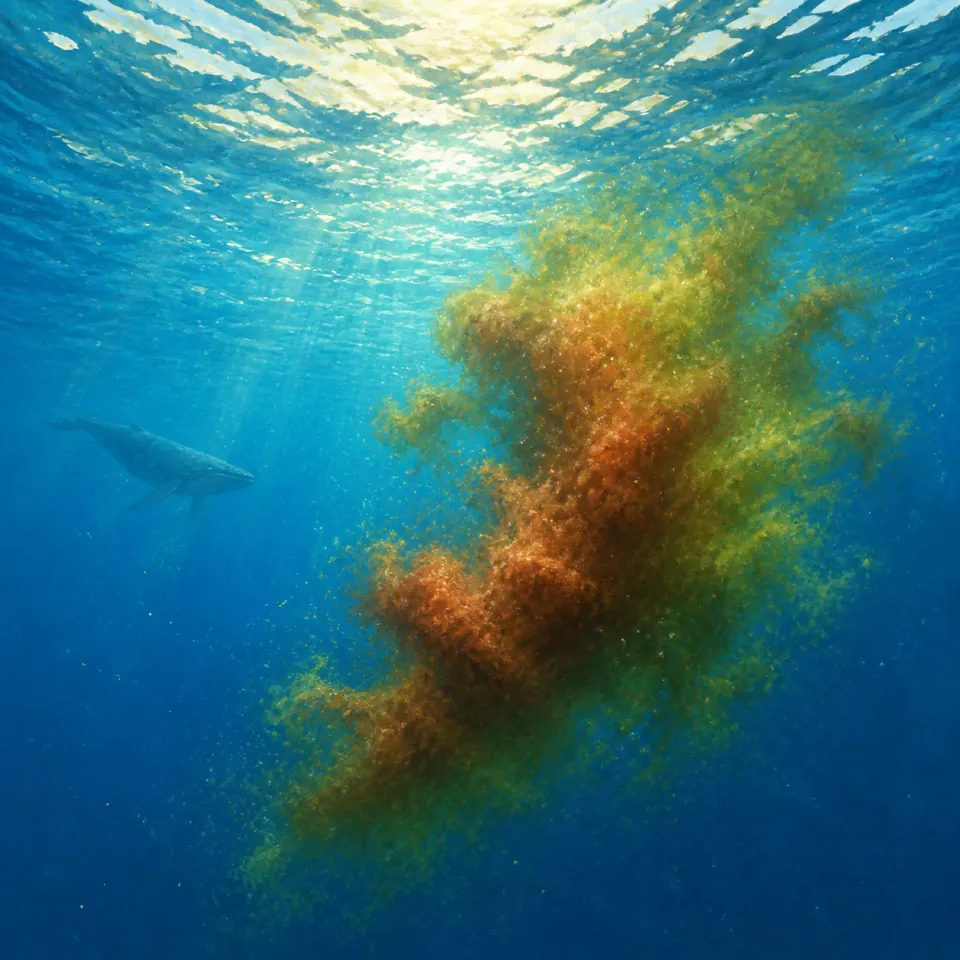
Whale poop can contain nutrients such as iron and nitrogen.
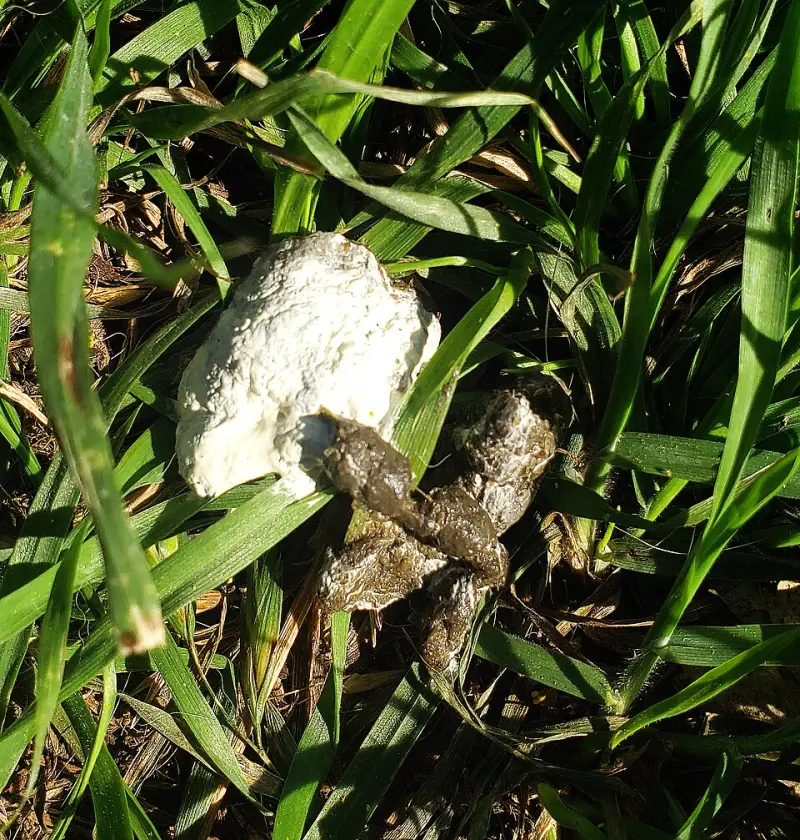
Chicken manure can be useful fertilizer after it is handled and aged safely.
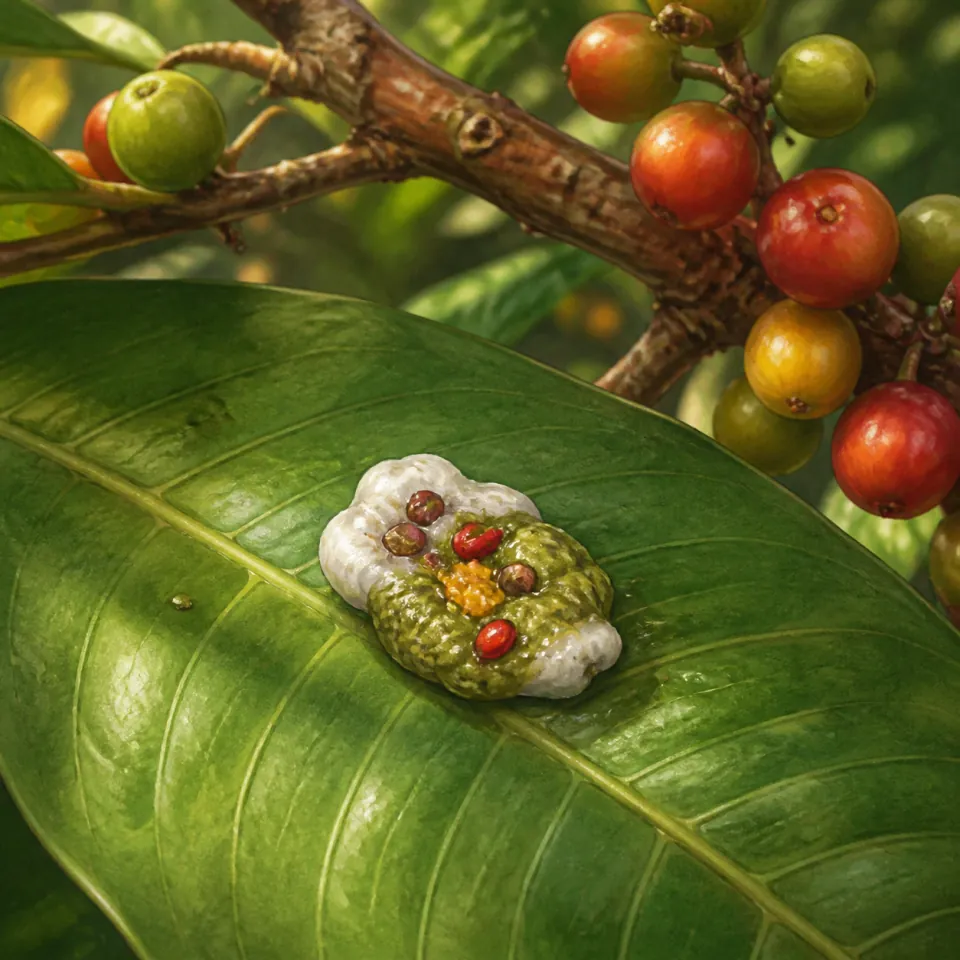
Fruit seeds can pass through a bird and later grow in a new place.
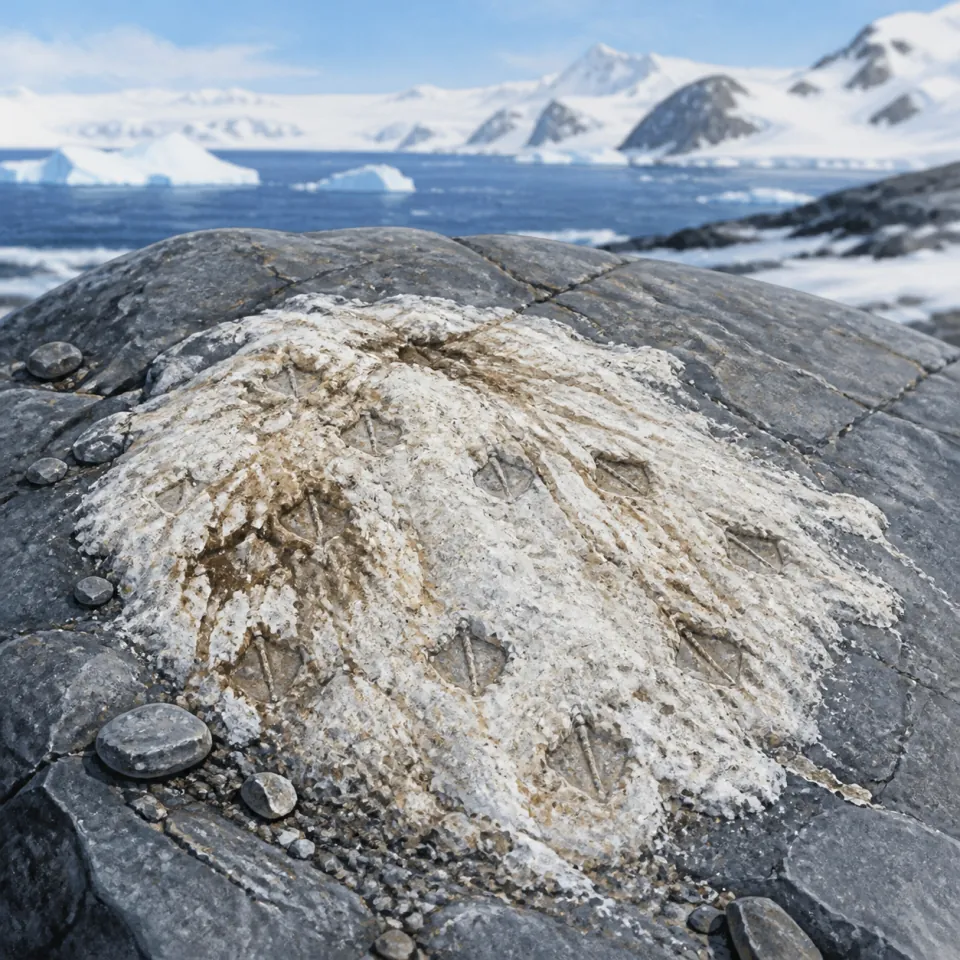
Penguin droppings are often called guano.
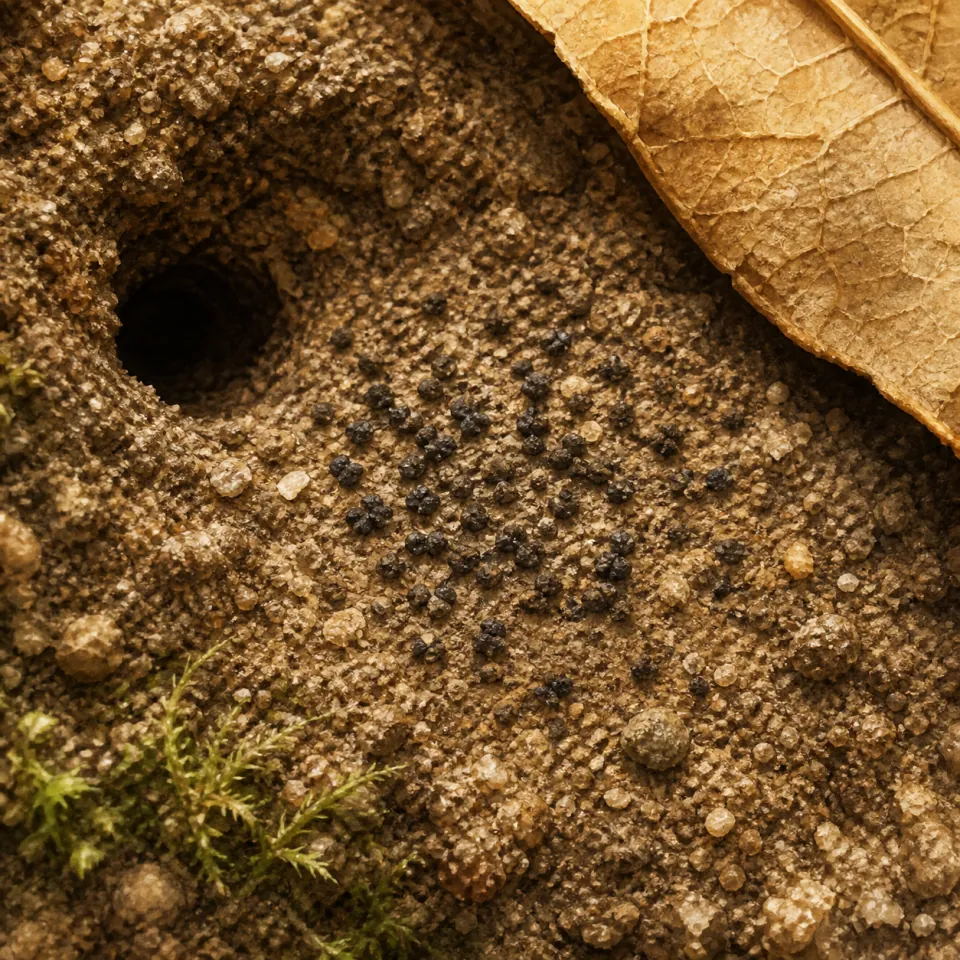
Ant colonies keep waste away from the busiest nursery spaces.
Pollen grains can help researchers learn which flowers bees visited.
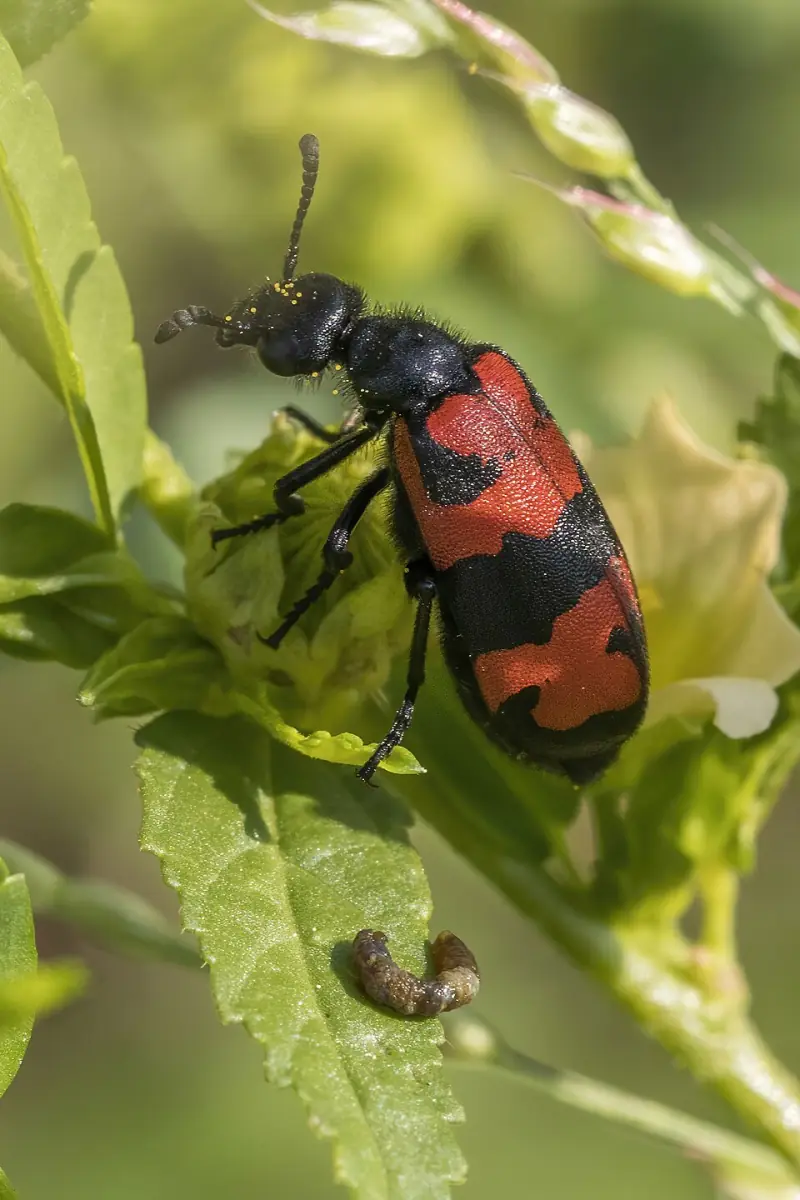
Frass can look like sawdust when a wood-eating larva is nearby.
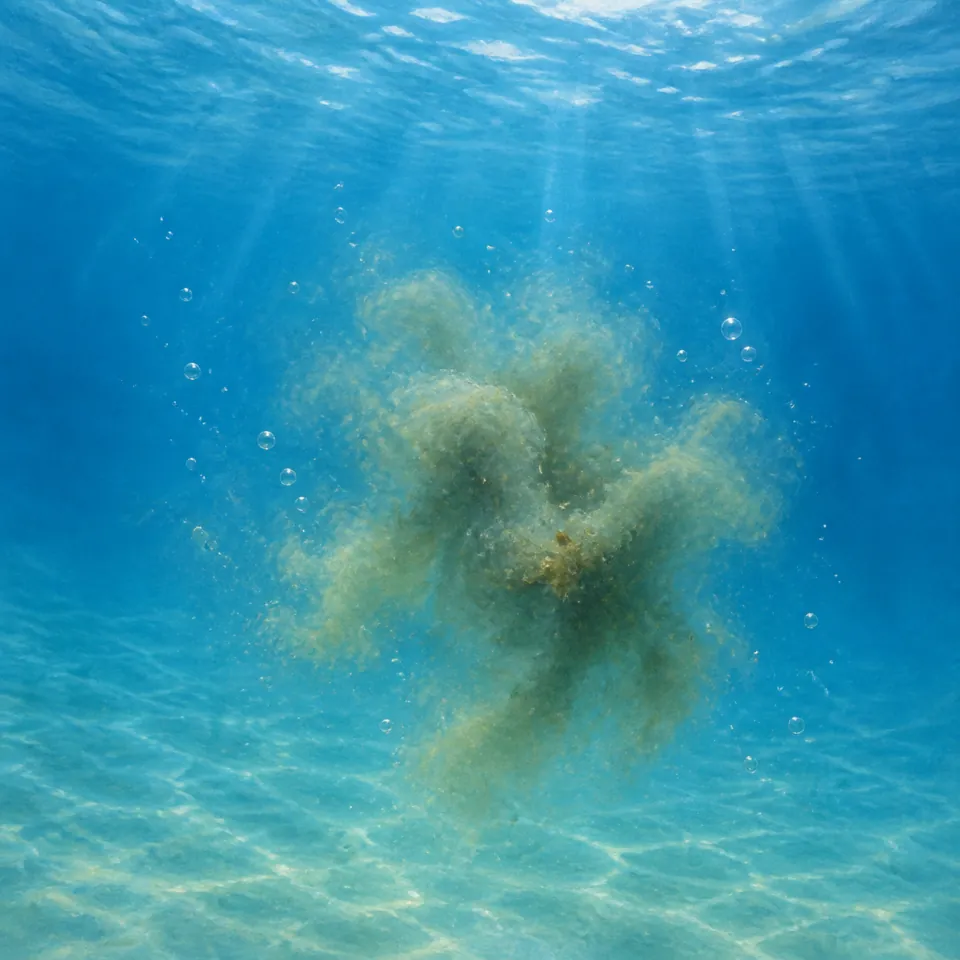
Scientists can examine DNA in collected samples without catching the dolphin.
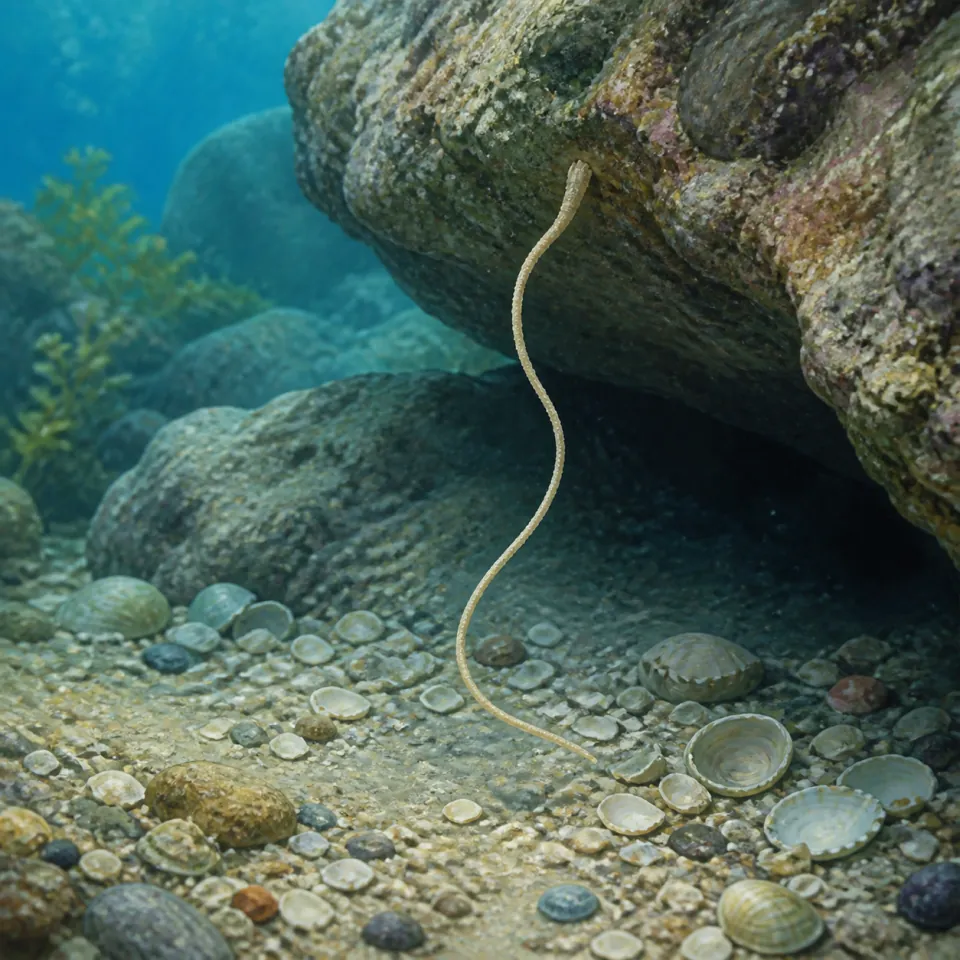
An octopus's siphon helps move water through its body and across the seafloor.
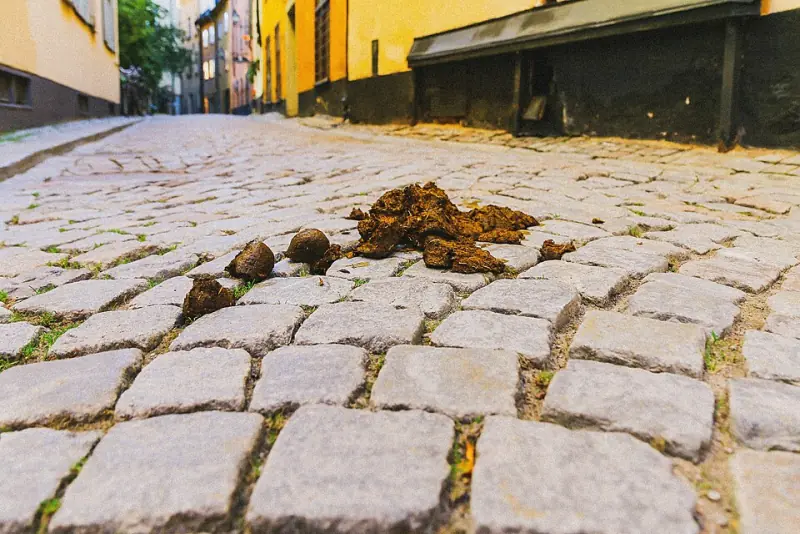
Horse keepers watch manure as one part of a horse's health routine.
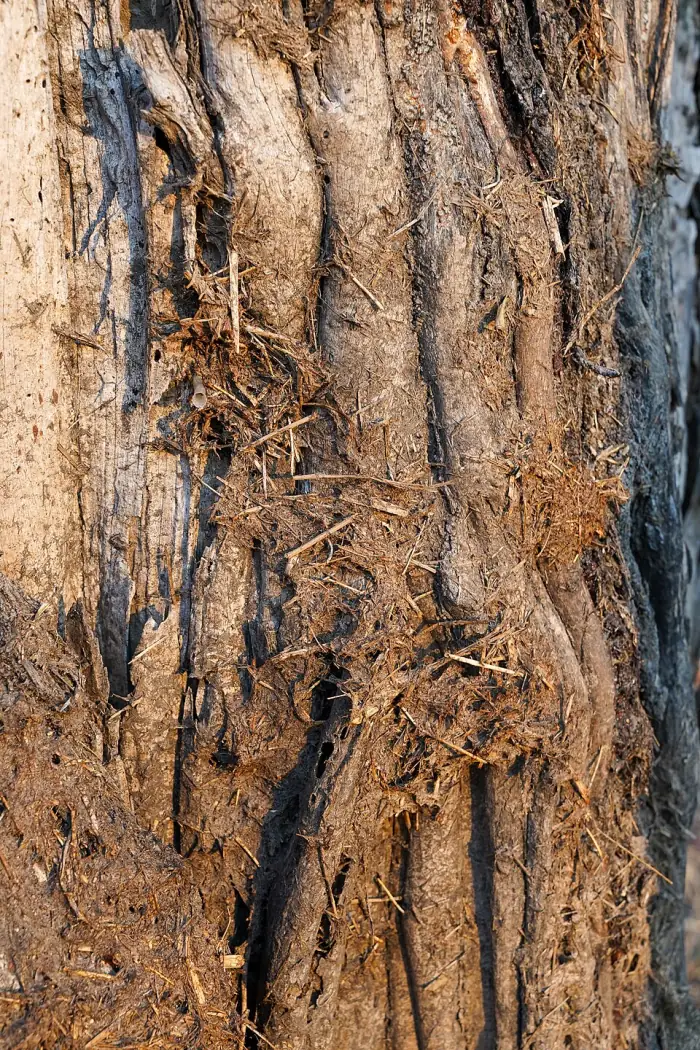
Hippo dung can add nutrients to river and lake ecosystems.
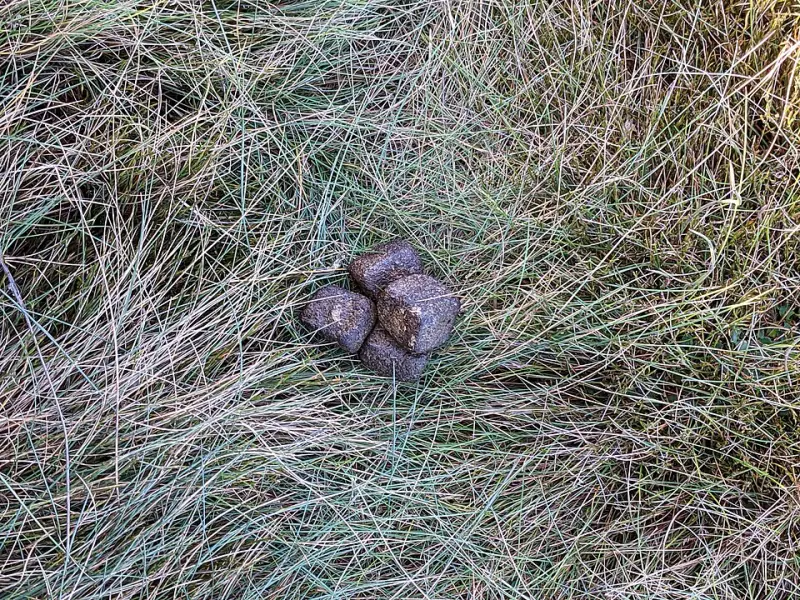
Wombats are the only animals known to make cube-shaped poop.
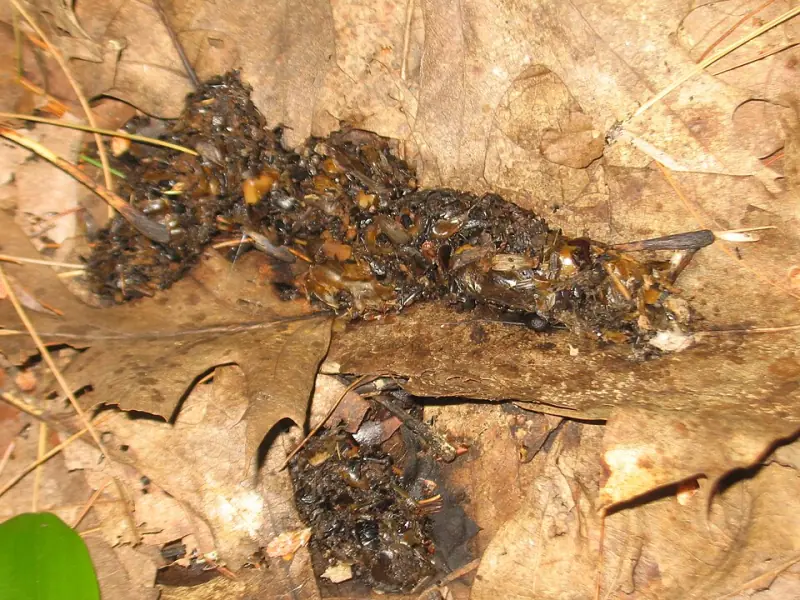
Raccoon latrines are shared places where scent and waste collect.
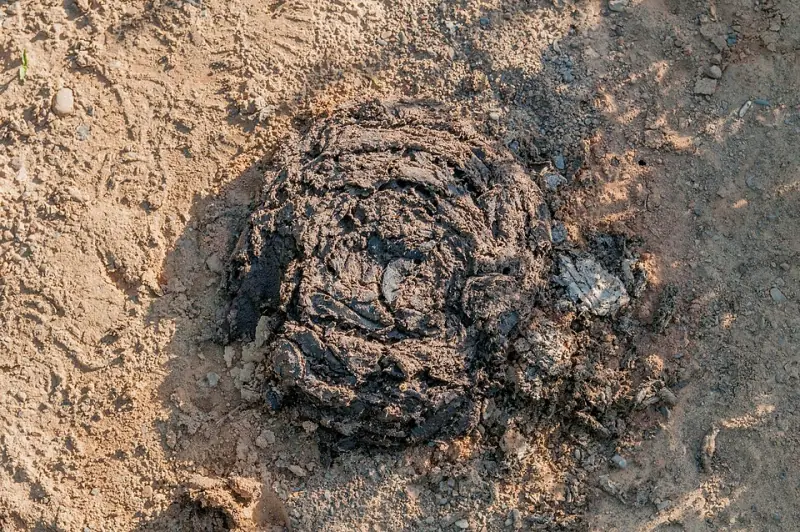
Cow manure returns organic matter and nutrients to soil when managed safely.