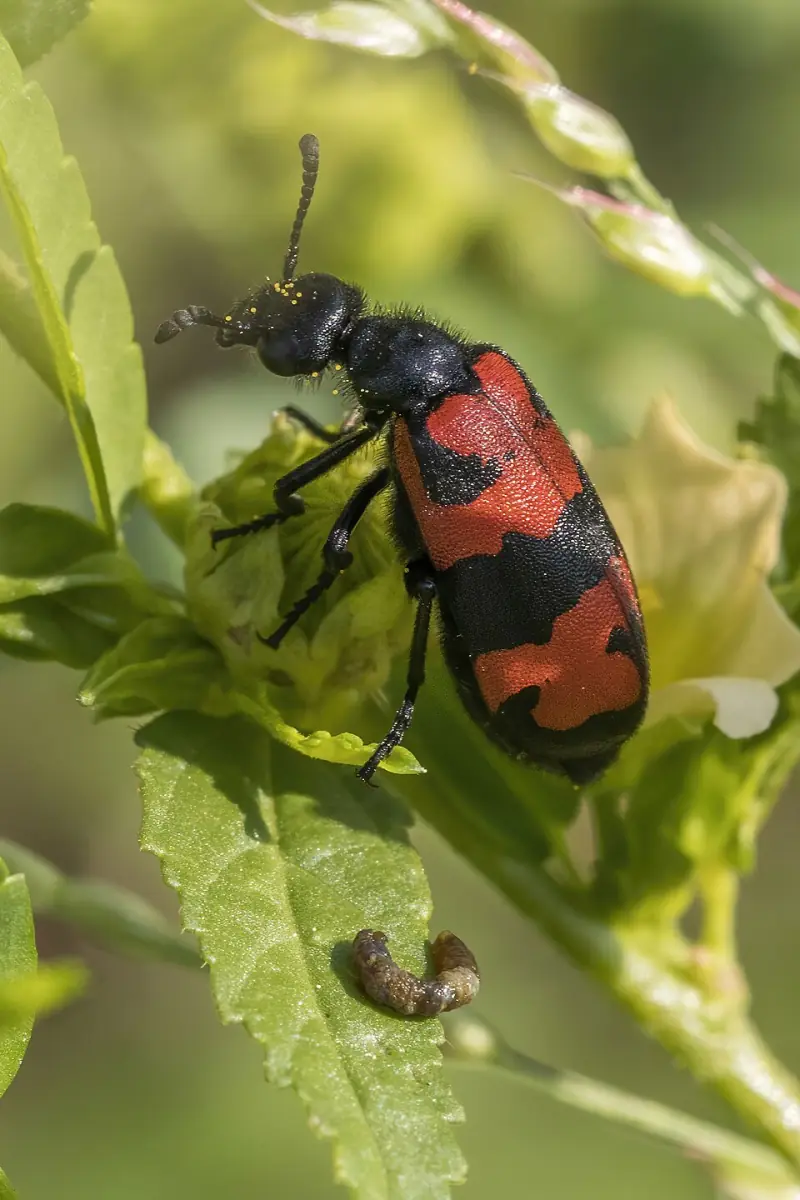
Insect · Coleoptera spp.
Beetle Poop Field Guide
Beetles live in forests, gardens, fields, and even inside wood. Many leave tiny grains called frass behind.
Checking the local clue journal…
ShapeTiny round cylinders
SizeAbout the size of a grain of sand
ColorDark brown or black
FoodPlants, wood, or other insects
HabitatForests, gardens, and fields
Scientific nameColeoptera spp.
Photo source: Wikimedia Commons · Charles J. Sharp · CC BY-SA 4.0
Meet the animal
Beetle leaves a clue
Frass can look like sawdust when a wood-eating larva is nearby.
Guess first, then reveal
How might this animal's food and body shape the clue it leaves?
3-STEP FIELD MISSION
Look beyond one clue
- 1LookNotice the tiny round cylinders shape.
- 2ConnectConnect it with plants, wood, or other insects and forests, gardens, and fields.
- 3ExplainTell a grown-up which evidence supports your idea.
PIPI'S SCIENCE NOTES
Why does it look like this?
A beetle larva may chew leaves or wood, so its waste is packed with the small plant or wood pieces its body could not use.
Science sources
These references help us check the animal, food, and poop clues.
KEEP EXPLORING
All files Investigate similar animals
NO.01
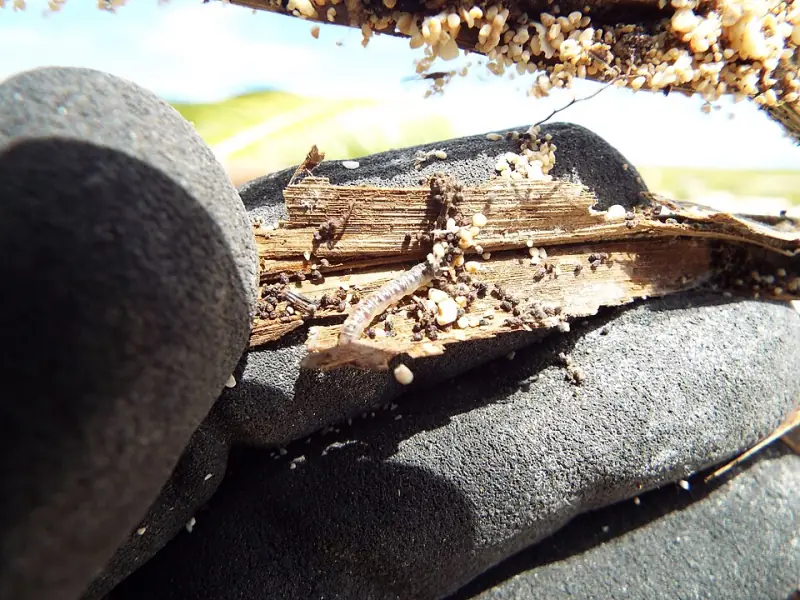
Caterpillar
The scientific word for caterpillar poop is frass.
- Shape
- Tiny grains
- Food
- All kinds of plant leaves
NO.02
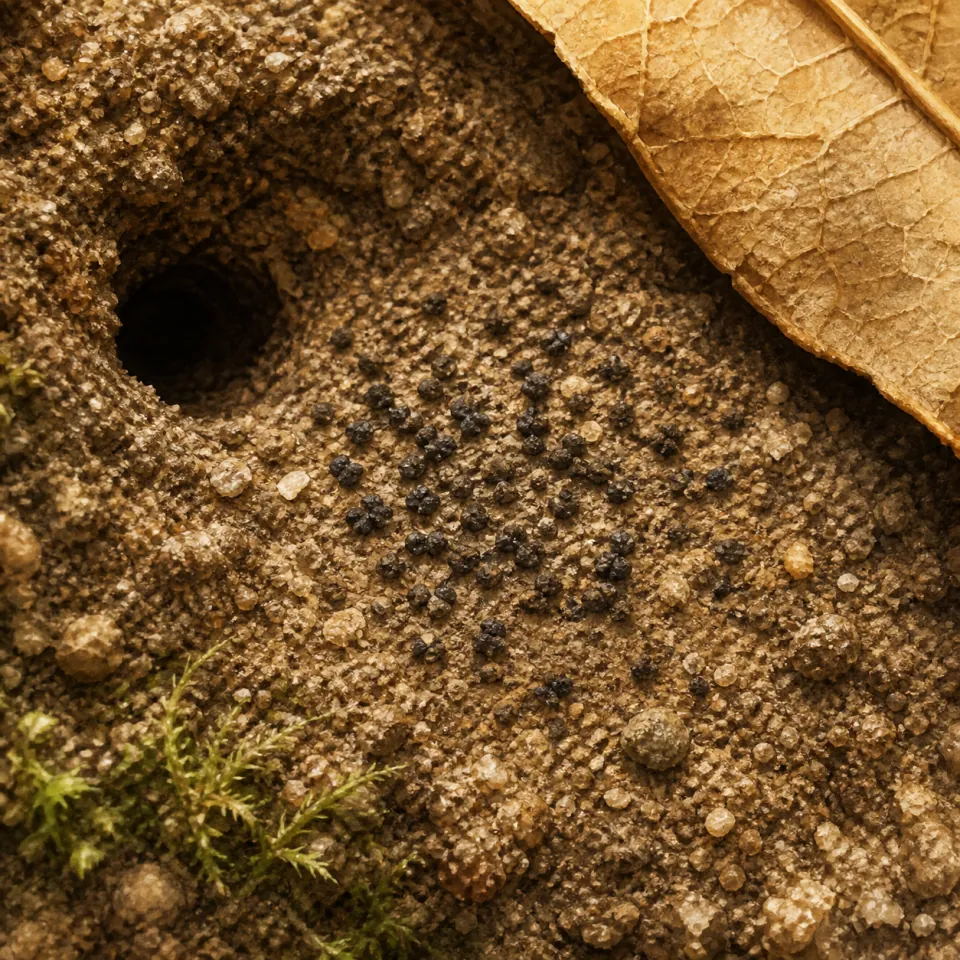
Ant
Ant colonies keep waste away from the busiest nursery spaces.
- Shape
- Extremely tiny grains
- Food
- Plants, honeydew, fungi, or other insects
NO.03
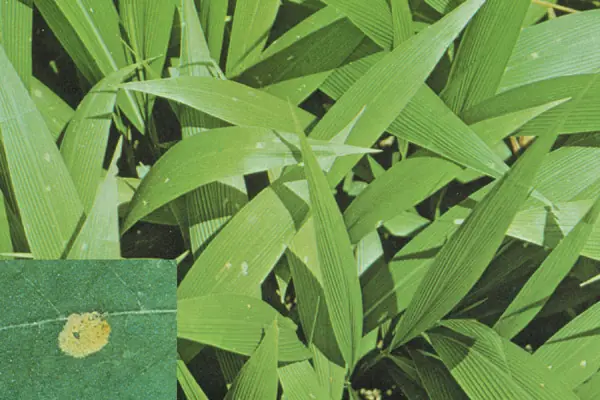
Bee
Pollen grains can help researchers learn which flowers bees visited.
- Shape
- Tiny yellow dots
- Food
- Pollen and nectar