Mammal · Lutra spp.
Otter Poop Field Guide
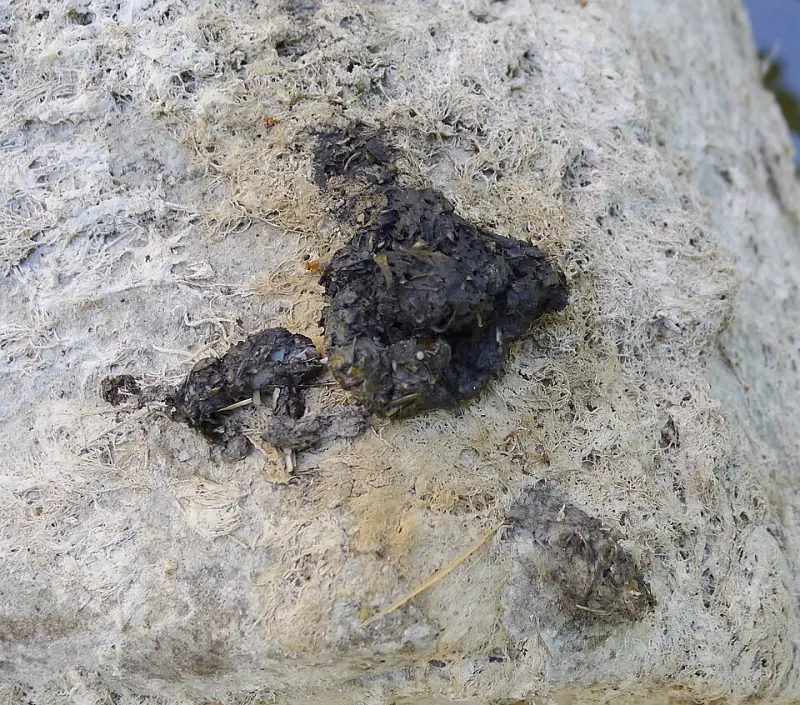
Otters spend much of their time in water and leave dark spraint on rocks, banks, or other visible places.
Checking the local clue journal…
ShapeAn irregular dark pile
SizeLike a short, wet strip of mud
ColorGray-black
FoodFish, crabs, frogs, and shellfish
HabitatRivers, lakes, and coasts
Scientific nameLutra spp.
Photo source: Wikimedia Commons · gailhampshire · CC BY 2.0
Meet the animal
Otter leaves a clue
Otter poop has its own name: spraint.
Guess first, then reveal
How might this animal's food and body shape the clue it leaves?
3-STEP FIELD MISSION
Look beyond one clue
- 1LookNotice the an irregular dark pile shape.
- 2ConnectConnect it with fish, crabs, frogs, and shellfish and rivers, lakes, and coasts.
- 3ExplainTell a grown-up which evidence supports your idea.
PIPI'S SCIENCE NOTES
Why does it look like this?
Spraint can be soft and irregular because otters eat wet foods such as fish and crustaceans. Its smell can also carry information for other otters.
Science sources
These references help us check the animal, food, and poop clues.
KEEP EXPLORING
All files Investigate similar animals
NO.01
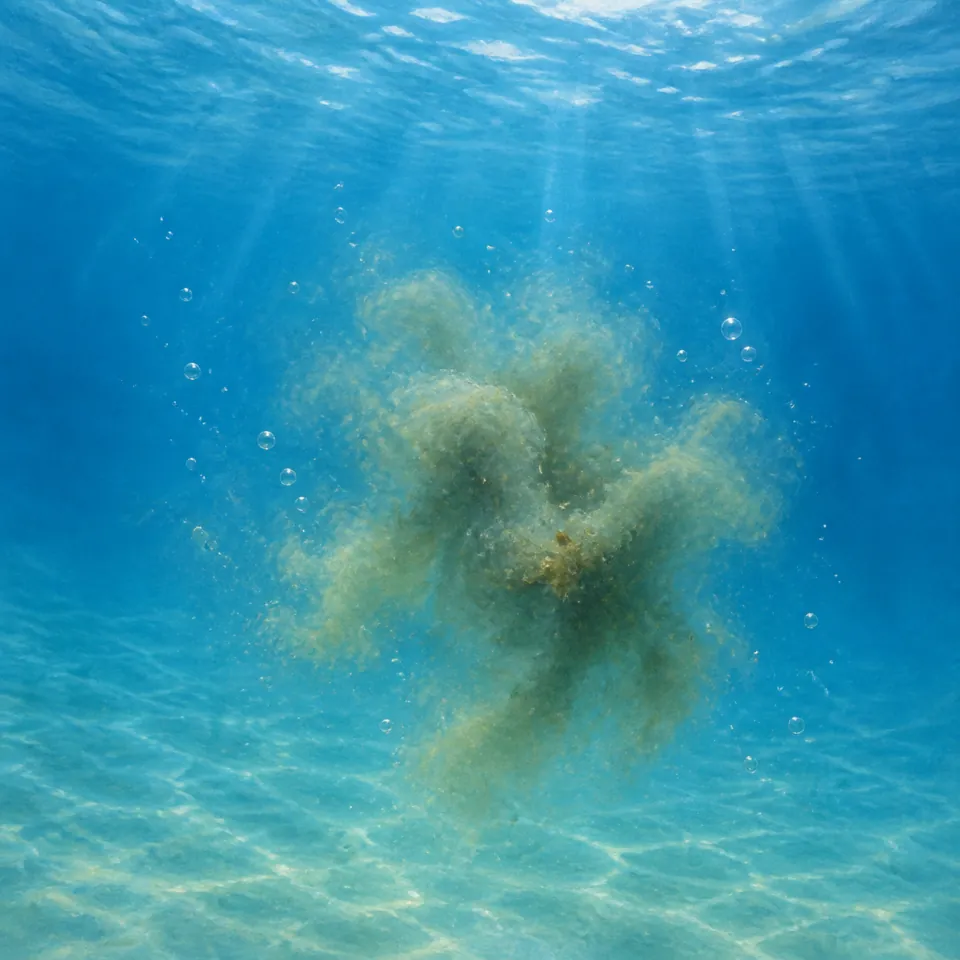
Dolphin
Scientists can examine DNA in collected samples without catching the dolphin.
- Shape
- A smoky cloud in the water
- Food
- Fish, squid, and shrimp
NO.02
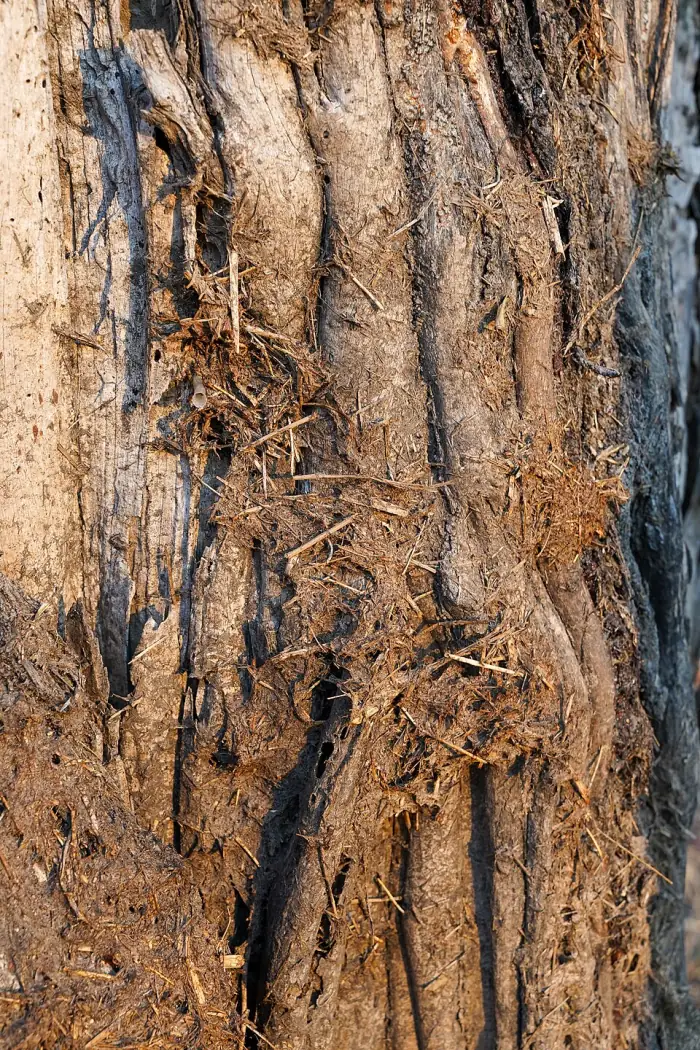
Hippopotamus
Hippo dung can add nutrients to river and lake ecosystems.
- Shape
- Pieces bursting through water
- Food
- Grass and water plants
NO.03
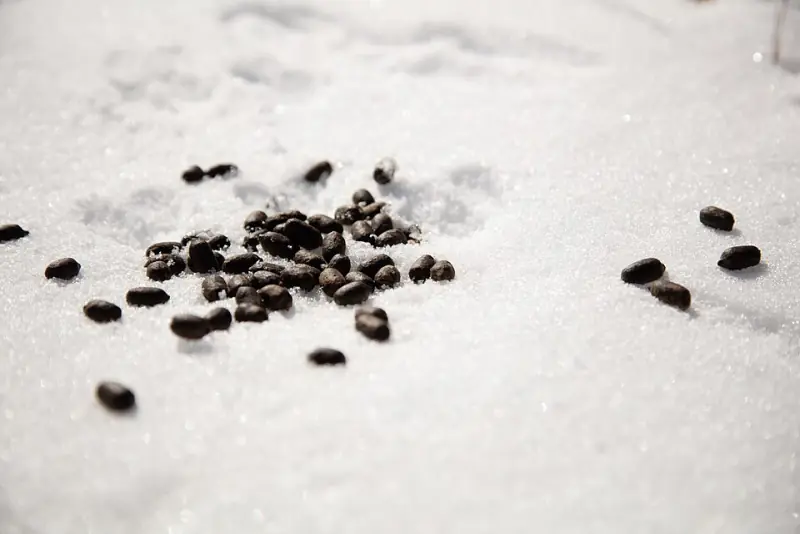
Deer
A fresh pellet group can be a sign of recent deer activity.
- Shape
- Oval pellets in little groups
- Food
- Tender leaves, grass, and fruit